
MacCormac's Pain as He Witnessed the Hungarian Uprising
When I began researching The Angel Makers, I had two equal paths I needed to explore:
The story of the women themselves, and a dive into how the story was reported.
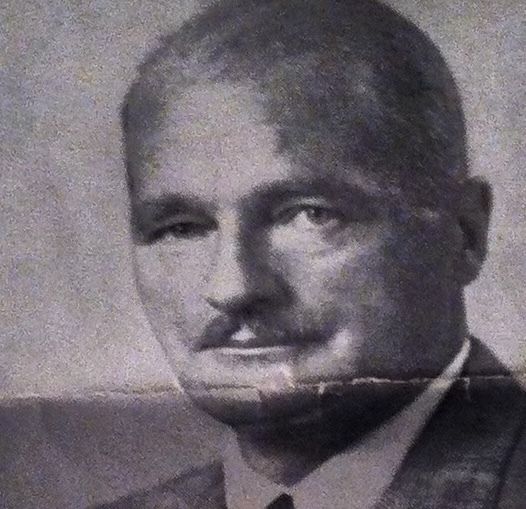
This second path led me straight to John “Jack” MacCormac who, at the time the investigation began, had recently been appointed the New York Times Bureau Chief in Vienna. As head man in Vienna, Hungary was part of his beat.
Learning all about MacCormac and his reporting days in Vienna was the pure joy of the job. (Plus, fun to find he was a Canadian gem.)
The Angel Maker trials happened fairly early in MacCormac’s career with the New York Times, but he remained Vienna bureau chief for a number of years and in 1956 covered the Hungarian Uprising against the Soviets.
Witnessing the Uprising changed Jack MacCormac. Jack had fought on the front lines in both World Wars, and as a foreign correspondent had covered the shambles of post-war Europe each time. But it was the Uprising that nearly did him in.
“For the rest of my life I shall never be able to think of the Hungarian Revolution without a lump in my throat,” MacCormac wrote fellow journalist Simon Bourgin. “Half the time I had tears in my eyes. I doubt if ever a newspaperman has covered a story which so tore at their emotions. It was terrible to see it fail and know that you were a part of the West that had failed them.”
By the time he wrote that letter in November of ‘56, he had been expelled from Hungary for allegedly smuggling at-risk Hungarian journalists out of Budapest. The KGB was after him. He and his wife were eating out in Budapest one evening, when New York Times security came rushing into the restaurant to hustle the couple out a back door into a waiting car with the engine running. Back to Vienna they sped.
In her memoir, Enemies of the People, noted journalist Kati Marton wrote about the Uprising and her family’s narrow escape (MacCormac and her father were colleagues).
The Rest is History podcast has devoted two episodes to the ’56 Hungarian Uprising. MacCormac is mentioned briefly in the first episode. I’m looking forward to the second.